

ZOYI UK TEST INSTRUMENTS
Digital Multimeters
Shop ZOYI digital multimeters in the UK for electrical testing, electronics repair, automotive diagnostics, maintenance and DIY projects.
Choose from True RMS multimeters, smart auto-ranging meters, compact pocket models, pen-style testers and high-count digital multimeters. Selected ZOYI models also offer USB-C rechargeable power, temperature measurement, capacitance, frequency, NCV detection and advanced diagnostic functions.
Whether you need to test a 12V car battery, measure AC/DC voltage, check continuity, diagnose electronic circuits or carry out everyday electrical measurements, compare ZOYI multimeters by features, measurement range and application to find the right meter for your work.
Shop Digital Multimeters
Filter products


Digital Multimeter Buying Guide – How to Choose the Right Meter
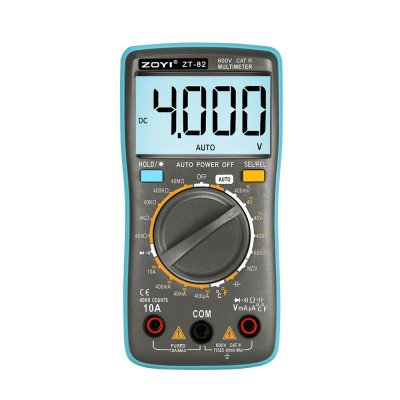
A digital multimeter is one of the most useful tools for electrical testing, electronics repair, automotive diagnostics and maintenance. It combines several measurement functions into one instrument, allowing you to check voltage, resistance, continuity and, depending on the model, current, capacitance, frequency, temperature and other electrical parameters.
ZOYI offers multimeters ranging from simple compact meters for everyday troubleshooting to high-count True RMS multimeters and advanced instruments for electronics technicians. The best model depends on what you intend to measure rather than simply choosing the meter with the largest specification list.
What Can You Test with a Digital Multimeter?
Depending on the model, a digital multimeter can be used for many common electrical and electronic tests:
AC Voltage DC Voltage Resistance Continuity Current Capacitance Frequency Temperature Diode Testing
Typical uses include testing a 12V car battery, checking a fuse, diagnosing a broken wire, measuring resistance on electronic components, checking power supplies and testing circuits during PCB repair.
Smart Auto-Ranging vs Manual-Ranging Multimeters
Auto-ranging multimeters automatically select an appropriate measurement range after you choose the required function. This makes them convenient for everyday testing and helps reduce the amount of manual range selection needed.
Some ZOYI models go further with Smart Auto mode, which can automatically identify certain common measurements such as voltage, resistance or continuity. These meters can be particularly convenient for beginners, quick maintenance checks and situations where measurements change frequently.
Manual-ranging multimeters give the user direct control over the measurement range. They remain useful for experienced users who already know approximately what value they expect to measure.
| Meter Type | Best For | Main Advantage |
|---|---|---|
| Smart Multimeter | Beginners, DIY and fast troubleshooting. | Automatically recognises selected common measurement types. |
| Auto-Ranging Multimeter | General electrical, automotive and electronics work. | Automatically selects the measurement range. |
| Manual-Ranging Multimeter | Users who prefer direct control of ranges. | Manual selection of the expected measurement range. |
What Is True RMS and When Does It Matter?
True RMS is an important feature when measuring AC voltage or current, particularly when the waveform is not a clean sine wave. Modern electrical and electronic equipment can produce distorted waveforms through switching power supplies, variable-speed drives, dimmers, inverters and electronic motor controls.
A True RMS multimeter is designed to provide more representative AC measurements on these non-sinusoidal waveforms than a basic average-responding meter. Many ZOYI multimeters include True RMS measurement, but always check the specification of the individual model before purchase.
What Do Multimeter Counts Mean?
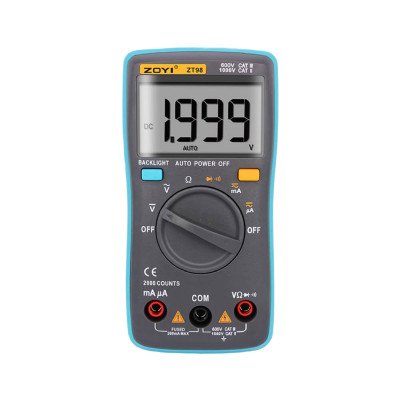
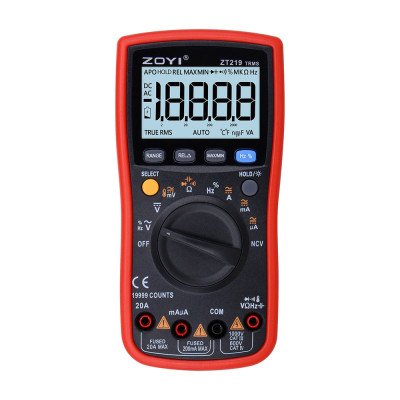
The display count describes how much numerical resolution a digital multimeter can display before changing measurement range. Common meters may have 2,000 or 6,000 counts, while higher-resolution models can offer substantially more.
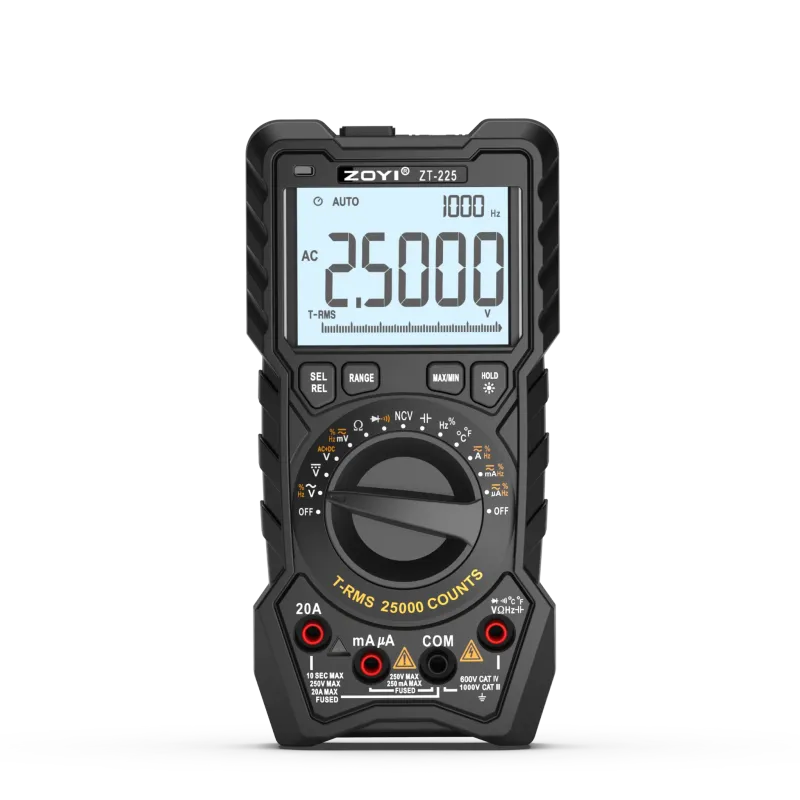
For example, the ZOYI ZT-225 offers a 25,000-count display, while advanced ZOYI instruments such as the ZT-706S can provide even higher display resolution. Higher counts can be useful when you need to observe smaller changes in voltage, resistance or other measurements without immediately changing range.
Important
A higher display count does not automatically mean a meter is more accurate. Resolution, specified accuracy, input protection, measurement range and test-lead quality should all be considered together.
Which Multimeter Is Best for Automotive Testing?
For automotive diagnostics, look for reliable DC voltage measurement, resistance, continuity and a suitable current range. These functions can be used to check 12V batteries, charging-system voltage, fuses, switches, relays, sensors and basic wiring faults.
A multimeter can also help investigate a battery that repeatedly goes flat, although parasitic-current testing requires correct current-range setup and careful connection of the meter.
Which Multimeter Is Best for Electronics Repair?
Electronics repair often benefits from a higher-resolution meter with fast continuity, millivolt measurement, resistance, diode test, capacitance and frequency functions. High-count meters are useful when monitoring small voltage changes or working with sensors and PCB circuits.
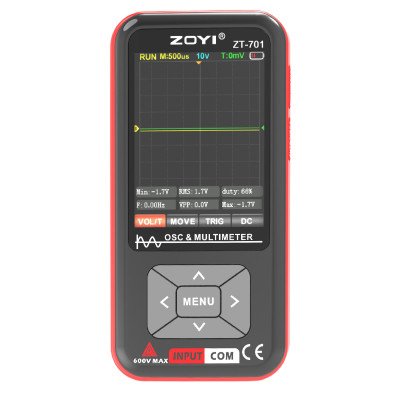
For users who also need to see signal shape, noise, PWM or changing waveforms, a handheld oscilloscope multimeter may be more useful than a conventional digital multimeter alone.
Compare ZOYI oscilloscope multimeters
Understanding Multimeter CAT Safety Ratings
Multimeters carry measurement-category ratings such as CAT II, CAT III and CAT IV. These categories relate to the type of electrical environment and the transient energy the instrument is designed to withstand.
Do not choose a meter based only on the maximum voltage printed on the front. Check the complete CAT rating of the individual meter, test leads and probes, and ensure the equipment is appropriate for the measurement location.
For UK electrical work, correctly rated test leads, probe guards and safe testing procedures are also important. Professional users should follow applicable electrical safety guidance including HSE GS38 where relevant.
Electrical Safety
UK household mains electricity can be dangerous. Only carry out live electrical measurements when you are competent to do so and are using equipment, probes and procedures appropriate for the circuit being tested.
USB-C Rechargeable vs Replaceable-Battery Multimeters
Some modern ZOYI multimeters use USB-C rechargeable power, which can be convenient for technicians who use their meter frequently. Rechargeable meters can be topped up from a suitable charger, laptop or power bank rather than relying exclusively on disposable batteries.
Other models use replaceable batteries, which can still be useful when immediate battery replacement is preferred. Check the individual product specification to see which power system it uses.
How to Choose the Right ZOYI Multimeter
| Your Main Use | Features to Consider | Typical Applications |
|---|---|---|
| Home & DIY | Auto-ranging, continuity, AC/DC voltage, clear display. | Batteries, fuses, low-voltage circuits and general troubleshooting. |
| Automotive | DC voltage, current, resistance, continuity and frequency where required. | 12V batteries, charging systems, relays, wiring and sensors. |
| Electronics Repair | Higher counts, fast continuity, diode, capacitance, frequency and millivolts. | PCB repair, components, sensors and power supplies. |
| Advanced Diagnostics | Multimeter plus oscilloscope capability. | Waveforms, PWM signals, electronics troubleshooting and field diagnostics. |
Why Buy ZOYI Multimeters from ZOYI UK?
Buying through ZOYI UK gives UK customers access to a wide range of ZOYI measurement instruments in one place, including digital multimeters, smart meters, clamp meters, LCR meters and portable oscilloscope multimeters.
Before ordering, compare each model's measurement functions, display count, power system, supplied accessories and CAT rating so you can choose the instrument that best matches your application.
Digital Multimeter FAQs
What is a digital multimeter used for?
A digital multimeter can measure electrical values such as AC/DC voltage, resistance and continuity. Depending on the model, it may also measure current, capacitance, frequency, temperature and other parameters. Common uses include testing batteries, fuses, wiring, electronic components and power supplies.
What is True RMS on a multimeter?
True RMS is a measurement method designed to provide accurate AC readings on both normal sine waves and many distorted electrical waveforms. It is particularly useful when testing equipment containing electronic controls, inverters, dimmers or variable-speed systems.
Is an auto-ranging multimeter better for beginners?
Auto-ranging can make a multimeter easier to use because the meter automatically selects an appropriate measurement range after the function is chosen. Smart multimeters can simplify operation further by automatically recognising some common measurements such as voltage, resistance and continuity.
What do 6000, 25000 or 66000 counts mean on a multimeter?
Multimeter counts describe the display resolution available before the meter changes range. A higher-count display can show smaller changes in a measurement, but count alone does not determine accuracy. Always compare the meter's specified accuracy, range and intended application as well.
Can I test a 12V car battery with a multimeter?
Yes. Select DC voltage and connect the red probe to the battery positive terminal and the black probe to the negative terminal. A multimeter can help check resting battery voltage and charging-system voltage, although battery condition cannot always be determined from voltage alone.
How do I test continuity with a multimeter?
With the circuit de-energised, select continuity mode and touch the probes across the wire, fuse or component being tested. A beep and low resistance normally indicate a continuous electrical path, while no beep or an OL reading can indicate an open circuit.
What does OL mean on a digital multimeter?
In resistance or continuity mode, OL commonly indicates an open circuit or a resistance above the meter's selected range. In other measurement modes it can also indicate that the measured value exceeds the available range.
Which multimeter is best for electronics repair?
For electronics repair, useful features include fast continuity, millivolt measurement, diode test, capacitance, frequency and a higher-resolution display. For troubleshooting changing signals or PWM waveforms, an oscilloscope multimeter may be a better choice.
What multimeter should I use for UK 230V mains?
Use a meter, probes and test leads with measurement-category and voltage ratings appropriate for the installation and measurement point. CAT rating, probe design and safe working procedure all matter. Live mains testing should only be carried out by someone competent to do so.