

ZT-DB03 NCV Non-Contact AC Voltage Tester Pen with LCD Display & Temperature
£23.24£24.99Save 7%
In stock
ZOYI UK TEST INSTRUMENTS
Voltage testers and non-contact voltage (NCV) pens for fast and safe live voltage detection. Ideal for electricians, engineers and DIY electrical checks. Detect live wires instantly without direct contact. 🇬🇧 UK stock with fast delivery, VAT invoice and warranty included.

In stock
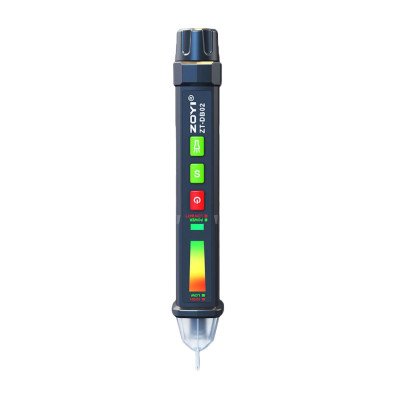
ZOYI voltage testers, also known as non-contact voltage testers, NCV testers or voltage pens, provide a quick way to detect the presence of AC voltage around electrical wires, sockets, switches and equipment without making direct electrical contact.
These compact live wire detectors are useful for electricians, maintenance technicians, property inspections and everyday electrical troubleshooting. Depending on the model, ZOYI voltage testers may include adjustable sensitivity, audible and visual alarms, LED indication and a built-in flashlight for working in poorly lit areas.
A good NCV voltage tester should provide clear feedback when an electric field is detected. Depending on the model, useful features may include:
A non-contact voltage detector is designed primarily for quick indication of the presence of AC voltage. It does not provide the detailed numerical electrical measurements available from a digital multimeter .
For measurements such as voltage, current, resistance, continuity and frequency, a multimeter is the more appropriate instrument. Many electricians carry both tools: an NCV pen for rapid preliminary checks and a multimeter for detailed testing.
If you specifically need to check common wiring conditions in a UK 13A socket, explore our UK smart socket testers for socket wiring indication, voltage display and RCD testing on supported models.
Looking for other electrical testing equipment? Browse all ZOYI test equipment .
Already own a ZOYI tester? Visit ZOYI Manuals & Firmware Downloads for available manuals, documentation, firmware and software.
Safety note: A non-contact voltage tester provides an indication of an electric field and should not be relied upon as the sole method of proving that a circuit is dead. Appropriate approved test equipment and safe isolation procedures should be used where required.